
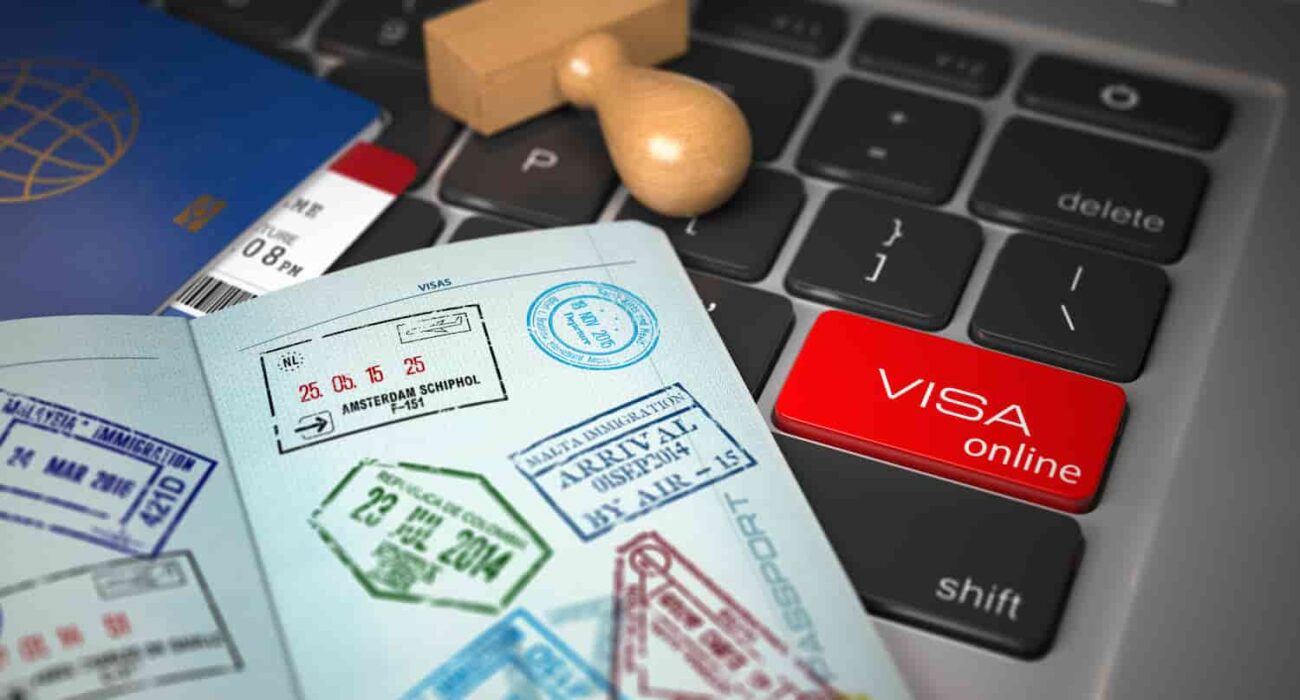
Schengen visa for first-time applicants is mostly a storytelling problem, and that surprises people. Most files that get refused aren’t short of documents. They have everything, but the hotel booking says seven nights, the form says ten, and the cover letter mentions a city that appears nowhere in the itinerary. To the person reading it, that doesn’t look like a typo. It looks like a file nobody checked. If you haven’t read the basics yet, our Schengen visa guide covers requirements, fees and member countries. This post is about what goes wrong after you’ve read all that and started collecting papers.
What the officer is really asking
Nobody at the consulate is counting your pages. They’re trying to decide two things: is this trip real, and will you go home afterwards?
Every refusal ground on the standard form comes back to some version of those questions. Unclear purpose of stay, not enough funds, missing insurance, documents they couldn’t verify, doubts that you’ll leave on time. For Schengen visa for first-time applicants, this matters more than usual, because you have no travel history to vouch for you. Previous visas that were used properly do a lot of quiet work in a repeat applicant’s file. Yours has to do that work with documents alone.
So when you’re deciding whether to include something, ask whether it helps answer one of those two questions. If it doesn’t, leave it out. If it contradicts something else in the file, fix it before you submit.
Where first-timers usually slip
The wrong consulate. The rule is simple: apply where you’ll spend the most nights, or where you first enter if the split is even. People sometimes pick a country because appointments are easier to get. Then the officer asks why Italy, when you’re spending nine days in Spain, and there’s no good answer.
Borrowed checklists. A cousin got his visa last year, so you copy his folder. But requirements differ between embassies and get updated, and his case may have looked nothing like yours. Use the current list from the visa centre you’ll actually be booking with.
Dates that almost match. Insurance starts a day after you land. The hotel booking ends before your flight home. Leave letter says one week, the form says two. Each one is small. Together they make the whole file feel unreliable.
A cover letter that could belong to anyone. “I want to travel to Europe for tourism” tells the officer nothing. Say which cities, for how many days, what you plan to see and why, who is paying, and what you’re returning to. Three honest paragraphs beat a page of polite filler.
Money with no history. A big deposit a week before the appointment is one of the fastest ways to raise questions. Officers read the movement of the account over months, not only the closing balance. If something unusual happened, like a bonus, a property sale or a family gift, explain it in a line and attach proof.
Ties that exist only in your head. You know you’re coming back. The officer doesn’t. A job letter with your role, salary and approved leave dates, business registration if you’re self-employed, enrolment proof if you’re studying, family responsibilities. Concrete things, not promises.
Leaving it too late. Processing usually takes around 15 days but can stretch to 45 for files that need extra checks, and appointments in peak season vanish quickly. You can apply up to six months ahead, so there’s rarely a good reason to be rushing.
Anything you can’t back up. Fake bookings, borrowed bank statements and made-up invitations are the one mistake that can’t be fixed with a second attempt. A modest, honest file is better than an impressive one that falls apart on verification.
Document problems we see again and again
Passports with too little validity left or not enough blank pages, usually discovered the week before the appointment. Photos that don’t meet the biometric specification, so the centre sends you out to retake them. Insurance that doesn’t cover the whole stay or the whole Schengen Area. Employment letters that say “he works here” and nothing else. Bank statements printed from an app with no bank stamp where the centre expects one. Forms that were signed in the wrong place, or not at all.
None of these are dramatic. All of them cost time, and sometimes a fee you don’t get back.
A check worth doing the night before
Spread every document on a table, or open them side by side on screen. Read the names letter by letter. Check that every date lines up between the form, flights, accommodation, insurance and leave letter. Make sure your cover letter describes the same trip as your itinerary. Make sure your funds make sense for that trip and your income.
If anything feels slightly off, it probably is. Fix it now. You won’t get to explain it later.
Planning backwards from travel
Start about two months before you want to fly, ideally earlier. Confirm the country and the consulate first, then check your passport. Book your appointment, then gather the financial and employment papers, which usually take the longest because they depend on other people. Finalise the itinerary, insurance and cover letter, and leave the last week for that consistency check. For a Schengen visa for first-time applicants, a few spare days at the end are what separate a calm submission from a panicked one.
One practical tip: hold off on non-refundable tickets until you have a decision. Use reservations that can be verified and cancelled.
What about EES?
The Entry/Exit System has been fully running at Schengen’s external borders since 10 April 2026. It replaces passport stamps with a digital record of your entries and exits, and it makes the 90 days in any 180 rule much easier to enforce. It doesn’t change what you submit with your application, but it does mean overstaying will be noticed. Count your days carefully.
If you get refused
You’ll receive a refusal form with the grounds ticked. Read it properly before you do anything else, because that’s the only real explanation you’ll get. You can usually appeal within the deadline on the form, following the procedure of the country that refused you. Reapplying with the same file and hoping for a different officer rarely works. Work out what the officer was worried about, fix it, and then apply again with a file that answers it.
When a second pair of eyes helps
Some profiles need more care: self-employed applicants, people who recently changed jobs, anyone with a thin travel history or a previous refusal. A review before the appointment usually costs far less than a refused application. At Fast Trail Consultant we go through consistency, financial presentation and the cover letter with you before you commit to a slot.
FAQs
Is it hard to get a Schengen visa the first time?
It isn’t impossible, but first-timers get looked at more closely because there’s no travel history to lean on. A clear purpose, consistent documents and believable funds make the biggest difference.
Can I apply without a travel agent?
Yes. You can book your own appointment and submit your own file. An agent or consultant helps most when your case has complications, not because you’re required to use one.
Do I need a confirmed flight ticket before applying?
Most embassies want to see flight details, but many accept a reservation that can be verified. Check the specific consulate’s wording, and avoid paying for a full non-refundable ticket before the decision.
How much money should I show in my bank account?
There’s no single number that works for everyone. Officers look at whether your funds fit the length and cost of your trip, and whether your income and account history make sense together.
What if I’m self-employed?
You’ll need to show the business exists and earns. Registration documents, tax records and several months of business and personal statements are the usual starting point. Check which ones your consulate lists.
Will one refusal ruin my chances for good?
No. But it’s recorded, and later officers will see it. That’s why a quick reapplication with the same file usually fails. Fix the stated problem first.
Is a tour package or hotel booking enough on its own?
Not by itself. It supports your plan, but the officer still wants to see your finances, your reasons to return and a clear purpose.
What’s the biggest single mistake in a Schengen visa for first-time applicants?
Inconsistency. Dates, names and amounts that don’t match across documents do more damage than almost anything else, because they make everything else harder to trust.